領(lǐng)學(xué)術(shù)科研之先,創(chuàng)食品科技之新
—— 中國食品雜志社

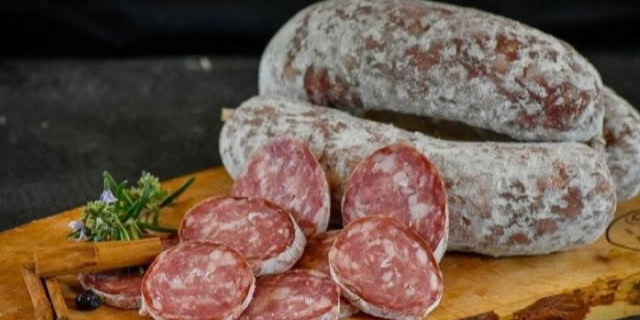
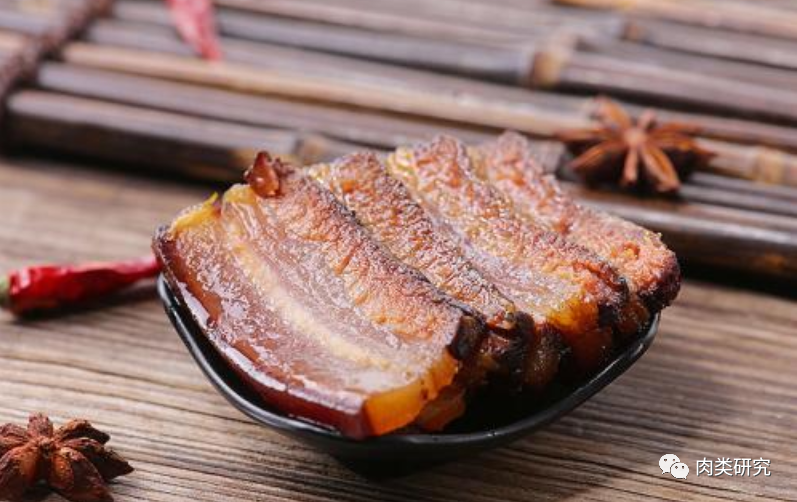
Listeria monocytogenes is a significant foodborne pathogen posing substantial risks to specific populations. This study investigated the contamination status and sequence types (ST) distribution of L. monocytogenes in ready-to-eat cooked meat products in the Shanghai region, and conducted quantitative risk assessments for major ST based on their growth parameters and dose-response parameters. A total of 675 ready-to-eat cooked meat product samples were collected, with 33 positive samples detected. ST8, ST5, ST87, ST9, and ST121 exhibited high detection rates, representing the distribution of moderate-, low-, and high-virulence strains. Risk assessment results showed that consumption of cooked meat products contaminated with moderate-virulence (ST5/ST8) strains caused the highest number of illnesses. The number of cases per million population increased with age, with more female patients aged 15–44 years old than male patients, and slightly more male patients than female patients over 44 years old. Pregnant women also faced elevated risks. Sensitivity analysis identified the initial pollution level, transportation temperature, and household storage temperature as the most significant factors affecting the final disease risk. This study provides a scientific basis for precise risk assessment and control of L. monocytogenes.
 電話: 010-87293157
 地址: 北京市豐臺區(qū)洋橋70號
版權(quán)所有 @ 2023 中國食品雜志社 京公網(wǎng)安備11010602060050號 京ICP備14033398號-2